
If you’ve ever put your newborn down on their stomach and watched them immediately protest, you’re not doing anything wrong, and neither is your baby. Tummy time is one of those pieces of advice that gets repeated constantly without much explanation of why it matters or how to actually do it when your baby clearly isn’t a fan. Here’s what it’s for, how much is actually enough, and what to do when it doesn’t go smoothly.
Why tummy time exists in the first place
The short version: since the 1990s, pediatric guidance has recommended placing babies on their backs to sleep, because back sleeping meaningfully reduces the risk of sudden infant death syndrome. That guidance, often summarized as “back to sleep,” has been genuinely life-saving. But it also means babies spend a lot of time on their backs, which reduces the natural opportunities they’d otherwise get to build the neck, shoulder, and core strength that comes from pushing up against gravity on their stomach.
Tummy time is the deliberate counterbalance. It’s supervised, awake time on the stomach that gives babies a chance to build the muscles they’ll eventually need to hold their head up, roll, sit, crawl, and pull to stand, without changing anything about how they sleep. It’s worth being clear about one thing NIH guidance specifically notes: tummy time itself doesn’t reduce SIDS risk directly. It’s a separate practice that supports development alongside safe sleep positioning, not a substitute for it.
When to start

You can start tummy time within the first day or two after coming home from the hospital, well before your baby has any real head control. In the very early weeks, this often looks less like independent floor time and more like laying your baby stomach-down on your chest or across your lap while you talk, sing, or gently rub their back. That counts. The goal at this stage is just getting your baby used to the position and the sensation of pressure on their front, not building strength yet.
If your baby’s umbilical cord stump hasn’t fallen off yet, it’s fine to continue tummy time on your chest or lap rather than a hard, flat surface, since that tends to be more comfortable in the first couple of weeks.
How much is actually enough
Guidance from the AAP and NIH is fairly consistent and, honestly, less demanding than a lot of parents expect. The general pattern looks like this: start with two to three short sessions a day, each around 3 to 5 minutes, in the first few weeks. From there, gradually build up, aiming for somewhere around 15 to 30 minutes of total tummy time a day by around 7 weeks to 2 months old. By 3 to 4 months, many babies are tolerating longer individual stretches as their strength and interest increase, and by the time a baby is rolling and starting to push up on their own, tummy time often blends into ordinary floor play rather than being a scheduled activity at all.



These are cumulative daily totals made up of short sessions, not one long stretch you need to force. A baby who does five separate 3-minute sessions across the day has done 15 minutes of tummy time, same as a baby who somehow tolerated one 15-minute session, which is honestly rare for a young baby.
What it actually looks like day to day
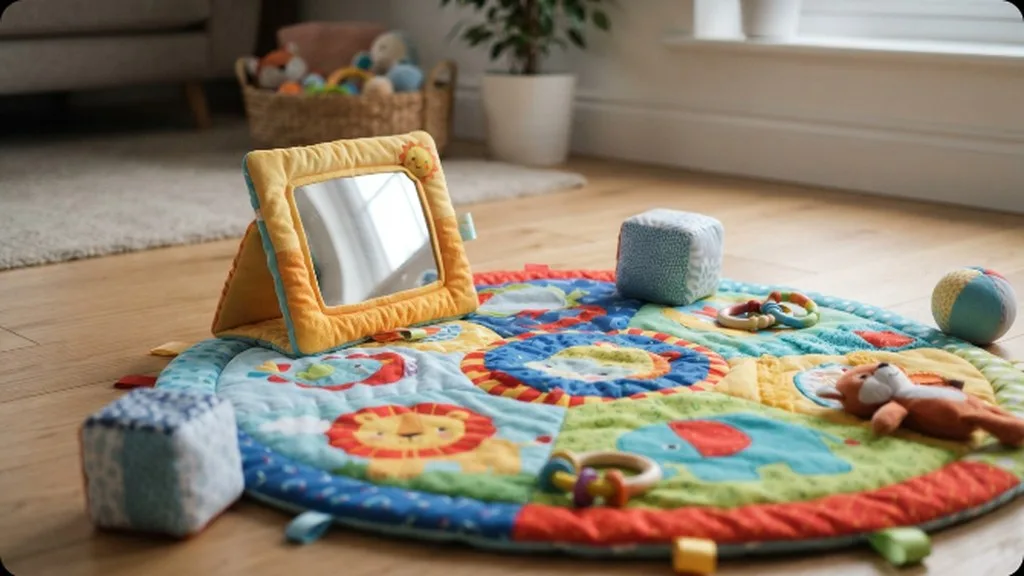
In the newborn stage, good tummy time often means: on your chest while reclined, across your lap with a hand resting on their back, or on a firm blanket on the floor right at your eye level so your face is the interesting thing they’re working to look at. Doing it right after a diaper change or after a nap, rather than right after a feed, tends to go better since a fuller stomach against a firm surface isn’t comfortable for anyone.
As babies get a bit older and steadier, you can add a rolled towel or small nursing pillow under their chest and armpits for extra support, place a small mirror or high-contrast toy just in front of them, or get down on the floor face-to-face so they have a reason to lift and hold their head up. Varying the surface (a play mat, a blanket outside, different rooms) and the setup keeps it from feeling repetitive once your baby is old enough to notice.
When your baby hates it (which is extremely common)

Plenty of babies protest tummy time loudly for the first several weeks, and it doesn’t mean anything is wrong. A few things that generally help: shrink the session back down to 1 to 2 minutes and build up slowly rather than pushing through crying, do it chest-to-chest with your baby lying on you rather than a flat surface at first, stay at their eye level and keep talking or singing so they have a reason to stay, and try it in short bursts spread across the day rather than saving it for one big attempt. If a baby is consistently miserable well past the newborn stage, it’s worth mentioning at a well visit, but brief, vocal protest in the early weeks is close to universal and isn’t itself a red flag.
What tummy time is quietly preventing
Two specific things worth knowing about, mostly so you recognize them rather than worry about them prematurely.
The first is positional plagiocephaly, a flattened spot on the back or side of the head that can develop from a baby spending a lot of time in one position, whether that’s sleeping on their back (which is still the right call for safety) or sitting in swings, car seats, and bouncers for long stretches while awake. Regular tummy time, along with varying which way your baby’s head faces in the crib and limiting long stretches in car seats and swings during awake time, helps reduce this. Most mild flattening improves on its own as babies become more mobile and spend less time lying down, but noticeable or worsening flattening is worth mentioning to your pediatrician.
The second is torticollis, a tightness in one of the neck muscles that makes a baby prefer turning their head to one side over the other. It’s sometimes noticed because a baby resists tummy time more than expected, or consistently tips or turns their head the same direction regardless of position. It’s usually very treatable, often with specific stretches and repositioning techniques a pediatrician or physical therapist can walk you through, and catching it earlier generally makes it resolve faster. A strong, consistent one-sided head preference is worth mentioning at a visit rather than waiting it out.
Adjusting for a premature baby
If your baby was born early, it’s generally more useful to think about tummy time readiness in terms of adjusted age (counted from your due date) rather than the date they were actually born, the same way you would for most developmental milestones in the first year or two. A baby born several weeks early may need a gentler, later start, shorter sessions, and more support under the chest and arms for longer than a full-term baby would. Preemies can also be more sensitive to the sensory experience of tummy time early on, so chest-to-chest sessions with a parent tend to work especially well as a starting point before moving to a flat surface. If your baby spent time in the NICU, the care team there may have already given you specific guidance on timing, and it’s worth asking your pediatrician for a plan tailored to your baby rather than defaulting to a generic schedule.
Making it part of the routine instead of a chore
Tummy time tends to go better long-term when it’s folded into things you’re already doing rather than treated as a separate task competing for attention on a busy day. Some natural windows: right after a diaper change, since your baby is already on a flat surface and you’re right there; during the wind-down period after a bath, when babies are often calm and alert; or as part of playtime on a mat while you fold laundry or sit nearby with a coffee, glancing over periodically. Involving a sibling by having them lie down face-to-face with the baby, or using tummy time as the designated “family floor time” a few minutes a day, can also make it feel less like a task you’re supposed to be doing and more like normal time together. The sessions don’t need to be announced or formal; the cumulative minutes add up the same either way.
It’s also worth not overthinking the tracking. Unlike feeding logs, where knowing volumes and timing can matter medically, tummy time doesn’t need to be tracked to the minute. A rough sense that it’s happening a few times a day, building up gradually as your baby tolerates more, is plenty. If you’re using a baby tracking app for feeding or sleep anyway, logging tummy time there can be a helpful nudge in the early weeks, but it’s not something to stress over if a day or two slips by without much of it.
Safety basics that matter more than the schedule
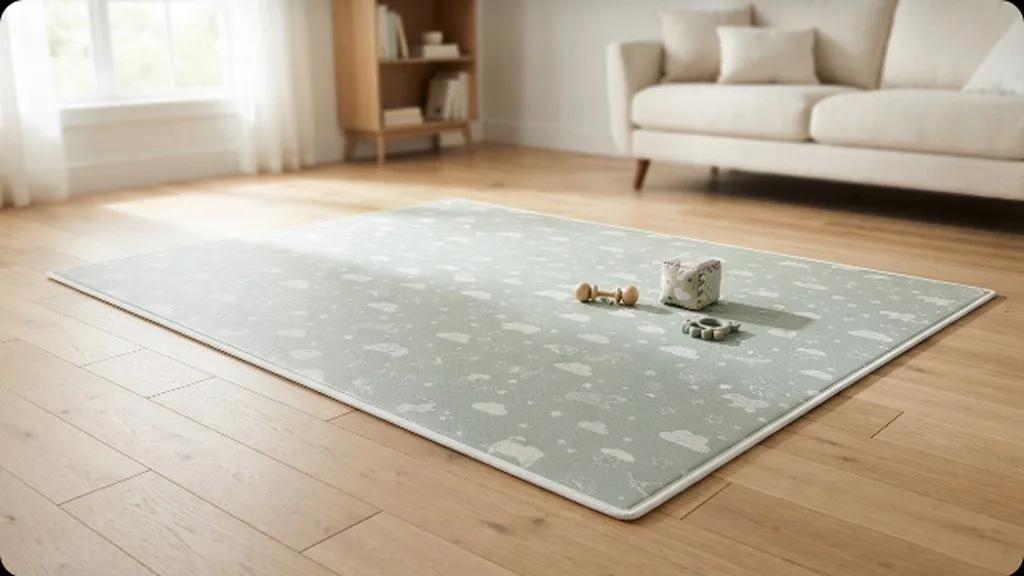
Tummy time should always be supervised and done while your baby is awake, never as a sleep position. The surface should be firm, not a soft couch cushion or adult bed where a baby’s face could sink in. And it’s not a substitute for safe sleep guidance in the crib or bassinet, which still means back sleeping, a firm mattress, and a clear sleep space regardless of how much tummy time happens during the day.
Country-specific notes worth knowing
The core message, back to sleep for naps and nighttime, supervised tummy time while awake, is consistent across the US, UK, Canada, and Australia, even though the exact phrasing differs by country’s public health messaging. All four countries’ pediatric and public health bodies promote both safe back sleeping and regular supervised tummy time as complementary rather than competing practices, and the general amounts and progression described above hold up as a reasonable guide regardless of where you live.
FAQ
Can tummy time happen right after a feed?
It’s generally more comfortable to wait a little while after a feed, since pressure on a full stomach can cause spit-up or discomfort. Right after a diaper change or nap tends to work better.
My baby falls asleep during tummy time. Is that a problem?
Move your baby to their back for sleep as soon as you notice they’re drifting off. Tummy time is meant for supervised awake time only; it shouldn’t turn into a sleep position, even briefly.
Does tummy time need special equipment, like a mat or pillow?
No. A blanket on a firm floor, your chest, or your lap all work fine, especially in the early weeks. Specialized tummy time mats and toys can add variety later on, but they’re not necessary.
The bottom line
Tummy time exists to counterbalance the time babies spend on their backs for safe sleep, building the strength behind rolling, sitting, crawling, and eventually walking. The actual target, a few short sessions a day building toward 15 to 30 minutes by around 2 months, is more modest than it often sounds, and short, frequent sessions count just as much as one long stretch. Loud protest in the early weeks is normal and usually fades with patience and gradual exposure. What’s worth flagging to your pediatrician is persistent, strong one-sided head preference or head flattening that isn’t improving, rather than ordinary early fussiness about being on their stomach.

Hi everyone, i’m Eddy from Africa-Mozambique. I’m Passionate about thing and that’s why i started this blog- to share what i discover. Hope you like and support this project.