
If you’ve spent any time in parenting groups or scrolling baby content online, you’ve probably seen baby-led weaning mentioned, usually alongside a photo of a baby covered head to toe in avocado. The approach has a devoted following, and for good reason, but it’s also often presented as an all-or-nothing philosophy when the reality is more flexible than that. Here’s what baby-led weaning actually involves, how it compares to the more traditional puree route, the real safety considerations worth understanding before you start, and how to figure out what actually fits your family rather than what looks best online.
What Baby-Led Weaning Actually Means
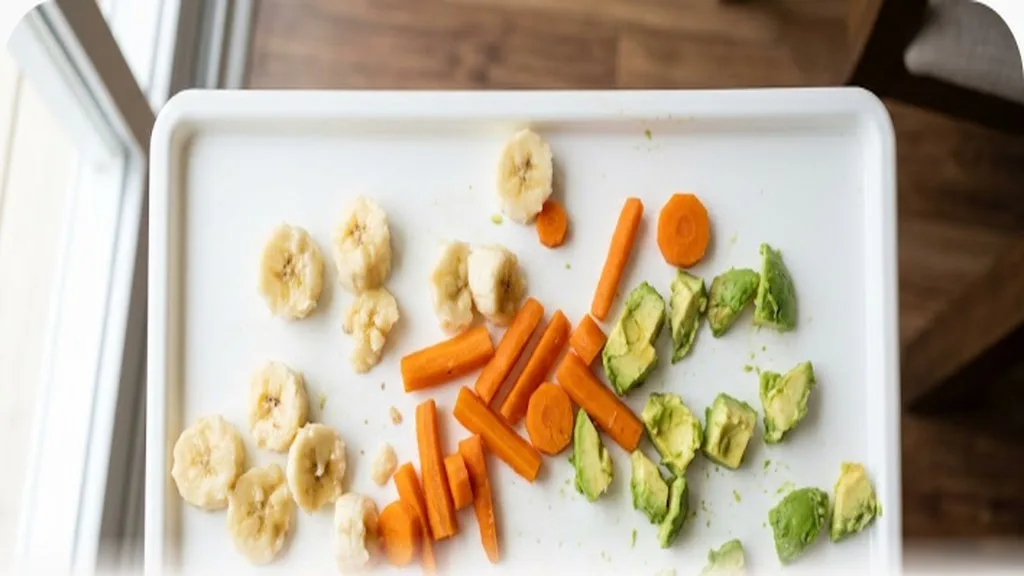
Baby-led weaning, often shortened to BLW, is an approach to starting solids that skips purees and spoon-feeding almost entirely, instead offering a baby appropriately sized pieces of soft, graspable food to pick up and feed themselves from the very start. Instead of a parent controlling the pace and amount with a spoon, the baby controls both — deciding what to pick up, how much to eat, and when they’re done.
The core idea is that babies around six months are developmentally capable of self-feeding soft finger foods, and that letting them do so from the start builds self-regulation around eating, comfort with different textures, and fine motor skills, all at once. Early foods tend to be things like steamed carrot and sweet potato sticks, ripe avocado wedges, soft-cooked pasta, well-ripened banana, and strips of soft meat — anything that’s easy to gum or mash between the fingers without needing teeth, cut into pieces roughly the size and shape of an adult finger so a baby can hold one end while gnawing the other.
Proponents point to a few genuine advantages: babies tend to be exposed to a wider variety of textures and flavors earlier, family meals can happen together rather than requiring a separate puree-making process, and some research suggests BLW babies may be slightly less likely to become picky eaters later, though the evidence here is still developing and not considered definitive.
Baby-Led Weaning vs. Purees: It’s Not All or Nothing
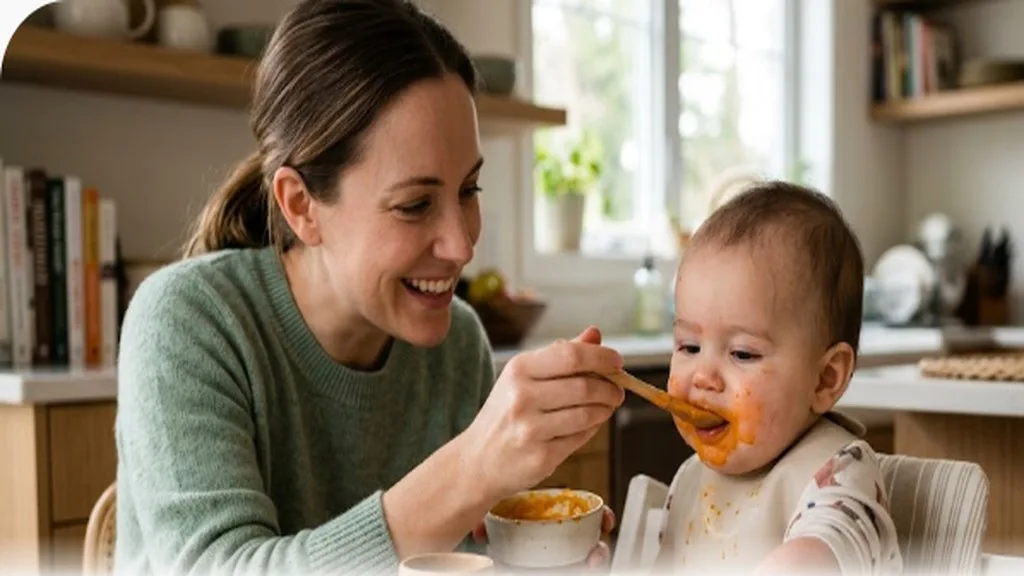
One of the most common misconceptions is that you have to pick a lane — full BLW or full purees — and stick to it rigidly. In practice, a large number of families land somewhere in the middle, sometimes called “baby-led weaning with purees” or simply a mixed approach: offering a spoon with a puree some of the day, and finger foods at other meals, adjusting based on what’s practical, what’s being served, and how your particular baby responds.
There’s nothing nutritionally or developmentally superior about choosing one method exclusively. A baby who eats purees from a spoon for breakfast and picks up soft finger foods at dinner is getting the same core benefits — exposure to new tastes and textures, practice with the mechanics of eating — as a baby doing either method in isolation. The “right” approach is really whichever one you can sustain without dread, because starting solids is a months-long process, and consistency matters more than purity to any particular method.


Practical considerations tend to tip the decision more than philosophy: purees are generally less messy and easier to manage in public or on the go, while BLW requires less separate food prep if you’re already cooking a family meal, since you’re often just setting aside a few unseasoned pieces before adding salt or spice to the adult portion. Neither is more or less work overall — the work just shows up in different places.
Safety First: Choking Risk and How to Reduce It
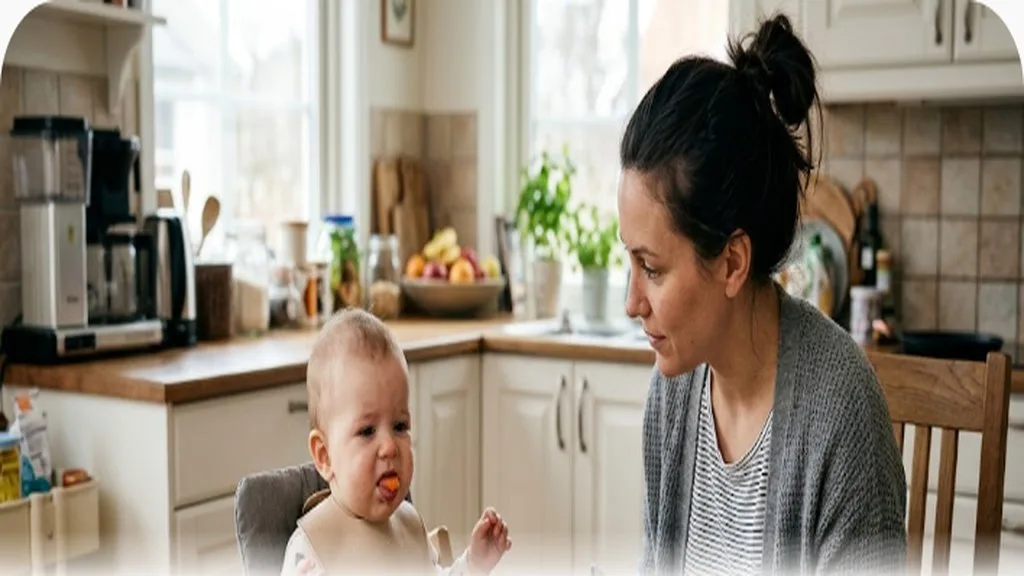
The biggest concern parents have about BLW is choking, and it’s worth addressing directly rather than glossing over. It helps to understand the difference between gagging and choking, because they look different but get confused constantly. Gagging is loud, visible, and actually a protective reflex — a baby’s gag reflex sits much further forward in the mouth than an adult’s, which helps push food that’s too big or too far back toward the front of the mouth. A gagging baby will cough, retch, and often look wide-eyed or upset, but they are getting air and are, in the moment, safe.
Choking is different and much quieter: a true choking baby struggles to make sound, may turn pale or bluish, and shows obvious distress without an effective cough. This is the emergency, not gagging. Because the two can look superficially similar, many parents starting BLW find real value in taking an infant choking and CPR class before beginning, specifically so they can tell the difference without panicking and can act immediately if a true choking event happens.
Reducing risk comes down to a few consistent habits: always supervise eating directly and within arm’s reach, never prop a baby in a reclined position to eat, avoid high-risk foods regardless of method (whole grapes, whole nuts, popcorn, hard raw vegetable chunks, chunks of hot dog, hard candy), cut food into appropriate shapes and softness for your baby’s current chewing ability, and keep your baby seated upright in a proper high chair rather than eating while crawling around or lying down. These same rules apply whether you’re doing BLW, purees, or a mix of both — choking risk is about the food and the setup, not the feeding philosophy.
Getting Started: Foods, Shapes, and a Realistic First Week
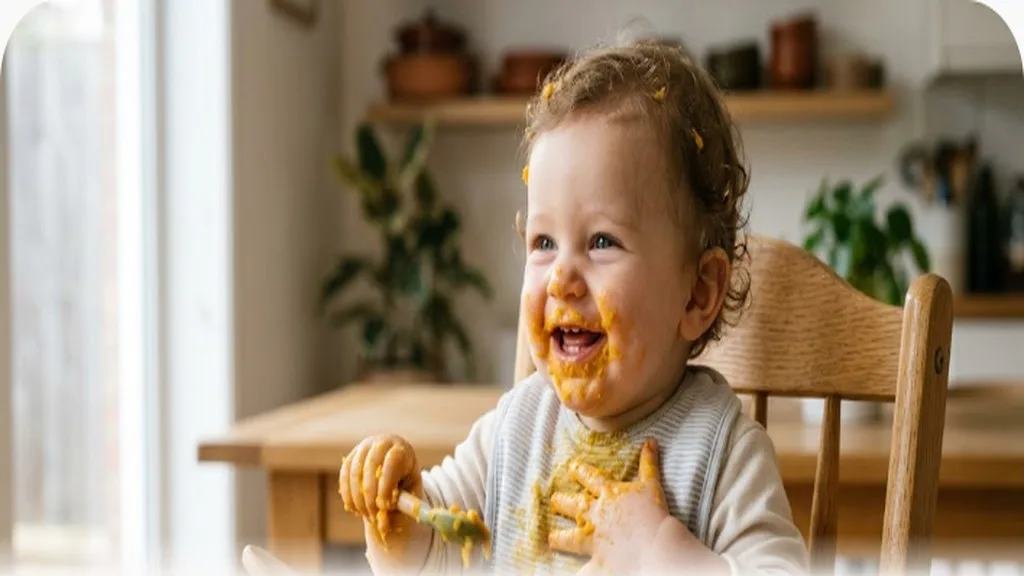
If you decide to try BLW, the first foods matter less than the shape and softness. Good starting options include steamed broccoli florets (the “tree” shape makes a natural handle), avocado cut into thick wedges, ripe banana spears, well-cooked and slightly cooled sweet potato fries, and soft-cooked pasta shapes large enough to grip. Avoid adding salt, honey (never before twelve months, due to infant botulism risk), or added sugar to anything offered.
A realistic first week looks far messier and less productive, calorie-wise, than most parents expect — and that’s completely normal. In the earliest days of BLW, babies are mostly exploring: squishing food, mouthing it, dropping it, and swallowing very little of it. This isn’t a sign it’s “not working.” Breast milk or formula remains the primary source of nutrition for the first several months of solids regardless of method, so a baby who eats almost nothing but has a great time squishing sweet potato between their fingers is doing exactly what’s expected at this stage. The actual quantity eaten tends to pick up gradually over weeks, not days, as coordination improves and babies get more efficient at getting food from hand to mouth.

Hi everyone, i’m Eddy from Africa-Mozambique. I’m Passionate about thing and that’s why i started this blog- to share what i discover. Hope you like and support this project.