
Whether you’re heading back to work, sharing night feeds with a partner, or simply want a little flexibility, pumping can make breastfeeding fit your life. It can also feel like a lot to learn at once: how often, how much, how long milk keeps, and how to clean all those little parts.
This guide covers the practical basics so you can build a routine that works without second-guessing every bottle.
How Often Should You Pump?

How often you pump depends on your goal:
- Exclusive pumping. If your baby only receives pumped milk, you’ll usually need to pump about as often as a newborn feeds, around 8 times in 24 hours in the early weeks, including at least once overnight.
- Pumping while away. If you’re separated from your baby, pump roughly as often as they would normally feed, often every 3 hours or so.
- Building a small stash. Many parents add one pumping session after a morning feed, when supply tends to be highest.
Milk supply works on demand. The more often milk is removed, the more your body tends to make. If you’re worried about supply, an International Board Certified Lactation Consultant (IBCLC) can help with pump fit, schedules and troubleshooting.
Getting More From Each Session
A few things can make pumping more comfortable and productive:
- Check flange fit. A flange that’s too big or too small can cause pain and reduce output. Your nipple should move freely in the tunnel without rubbing.
- Relax. Looking at a photo or video of your baby, smelling their clothing or using a warm compress can help trigger let-down.
- Massage. Gentle breast massage before and during pumping may help milk flow.
- Stay hydrated and fed. Keep water and a snack nearby.
- Pump a few minutes after milk stops flowing to signal your body to keep making milk.
Pumping shouldn’t hurt. If it does, adjust the suction, check the flange size and talk with a lactation professional.



Storage Times at a Glance
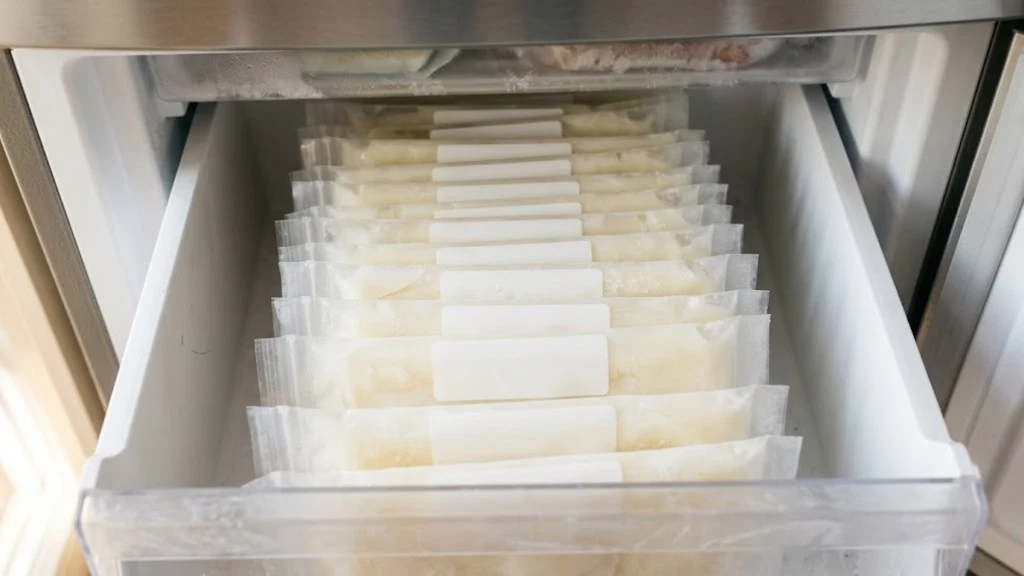
The CDC’s general guidelines for storing freshly expressed breast milk for healthy, full-term babies are:
- Room temperature (up to 77°F / 25°C): up to 4 hours
- Refrigerator (40°F / 4°C): up to 4 days
- Freezer (0°F / -18°C or colder): best within about 6 months, acceptable up to 12 months
A few extra rules:
- Thawed milk that was frozen can stay at room temperature for 1 to 2 hours, or in the fridge for up to 24 hours. Don’t refreeze it.
- Once your baby has started drinking from a bottle, use the leftover milk within 2 hours, then discard it.
- Store milk in the back of the fridge or freezer, not in the door, where temperatures change more.
If your baby was born early or is in the hospital, follow the specific instructions from your care team, as guidelines can be stricter.
Labeling and Organizing Your Stash
A little organization saves a lot of waste:
- Store milk in clean, food-grade containers or bags made for breast milk.
- Freeze in small portions, about 2 to 4 ounces (60 to 120 ml), so you only thaw what your baby needs.
- Leave a little space at the top, since milk expands when frozen.
- Label each container with the date it was expressed.
- Use the oldest milk first.
- Freeze bags flat to save space and speed up thawing.
You don’t need a huge freezer stash. For most parents returning to work, enough milk for the first day or two, plus regular pumping while away, is plenty.
Thawing and Warming Milk Safely
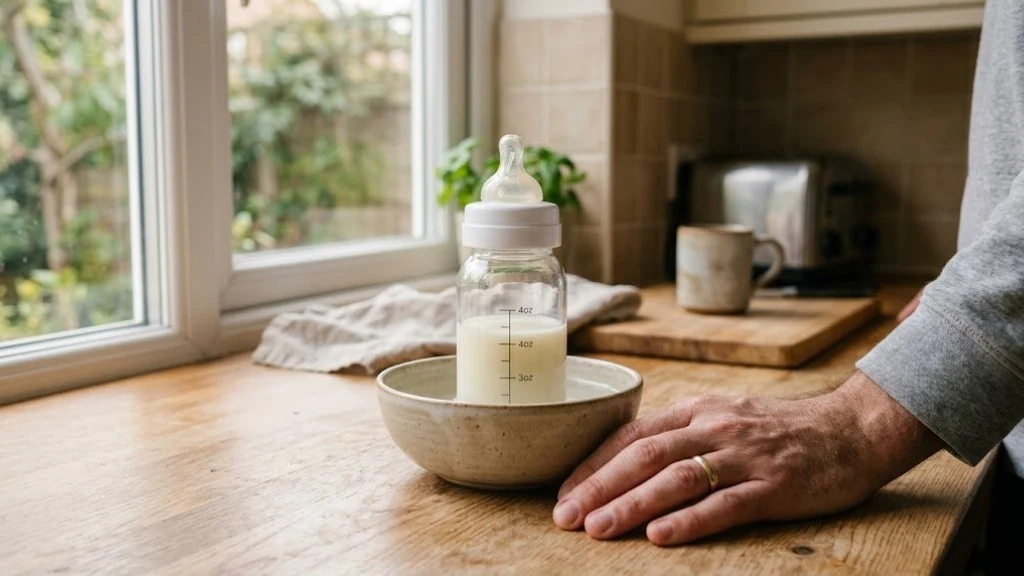
The safest ways to thaw frozen milk are overnight in the refrigerator, or by placing the container in a bowl of warm water. You can also hold it under lukewarm running water.
To warm milk, set the bottle in a bowl of warm water for a few minutes or use a bottle warmer. Swirl gently to mix the fat back in, and test a few drops on your wrist; it should feel warm, not hot.
Never microwave breast milk. Microwaves heat unevenly and can create hot spots that burn a baby’s mouth. Many babies are also happy drinking milk cool or at room temperature, which saves time.
It’s normal for stored milk to separate into layers, and some milk smells or tastes a little soapy after storage. If your baby drinks it happily, it’s fine.
Keeping Pump Parts Clean
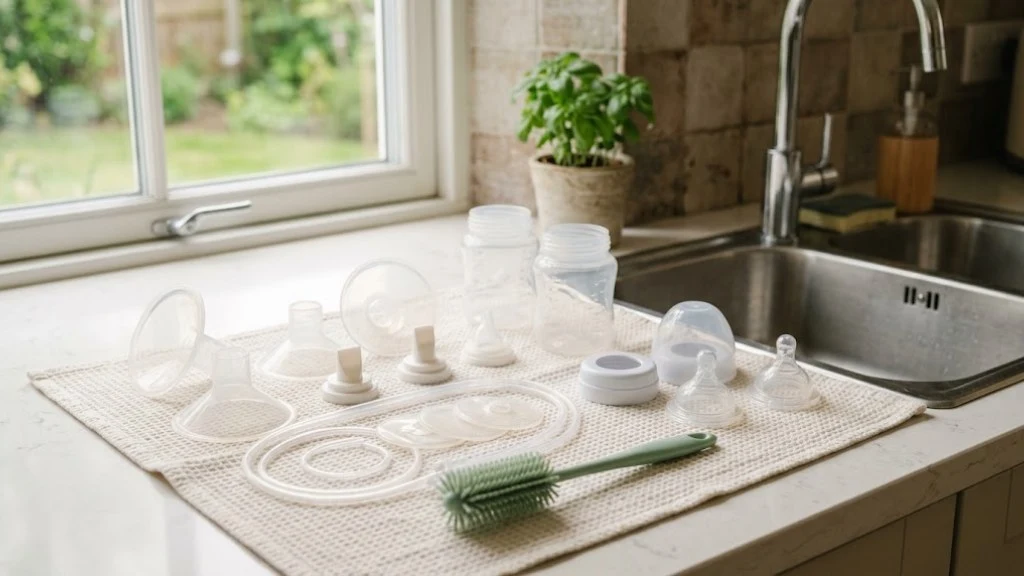
After every use, take apart the pump pieces that touch milk and rinse them. Then wash them in hot, soapy water using a clean basin and brush reserved for baby items, or in a dishwasher if the manufacturer says the parts are dishwasher-safe. Let everything air-dry on a clean towel or drying rack.
For extra germ removal, sanitize parts at least once a day, especially if your baby is younger than 3 months, was born early, or has a weakened immune system. Boiling, steaming or using a dishwasher’s sanitize setting all work.
Check tubing for moisture or mold, and replace valves and membranes as they wear out, since worn parts can reduce suction.
Pumping is a real commitment of time and energy. Whether you pump a little or a lot, every ounce counts, and so does your own rest. Be kind to yourself as you find the rhythm that works for your family.

Hi everyone, i’m Eddy from Africa-Mozambique. I’m Passionate about thing and that’s why i started this blog- to share what i discover. Hope you like and support this project.