
The feeding gear aisle has a way of making every single product look essential, and a few quick searches can leave you with a cart full of gadgets before your baby has eaten a single bite of solid food. Here’s a grounded look at what actually matters in a high chair, which extra feeding gear genuinely earns its shelf space, what you can comfortably skip, and how to set up a feeding station that keeps mealtime simple rather than complicated.
What to Look for in a High Chair
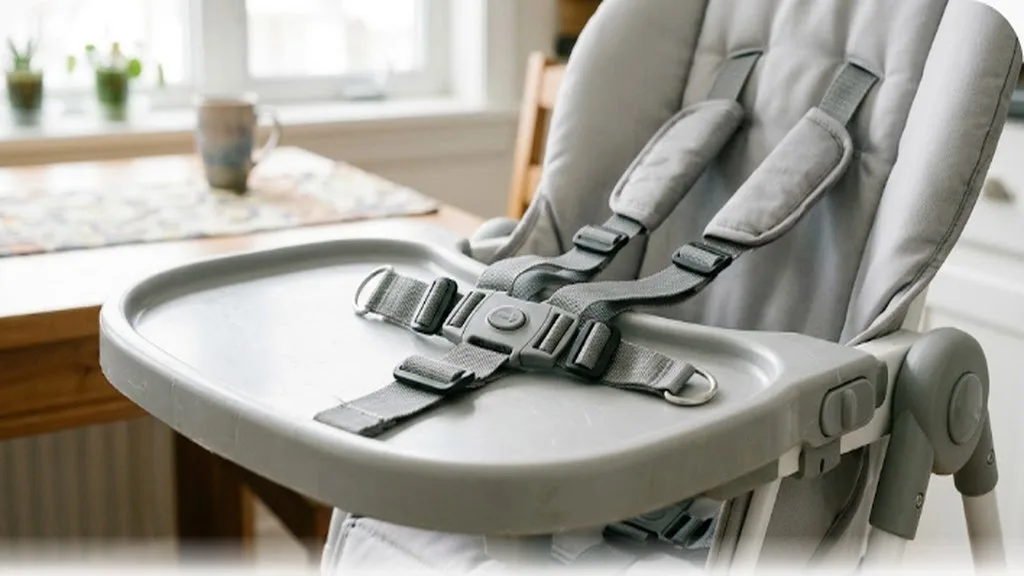
A few features matter far more than style or brand. A secure five-point harness keeps a wiggly, newly-sitting baby safely in place, which matters more than it sounds like it should once a baby realizes leaning and twisting are options. Adjustable tray height and depth let the chair grow with your baby and fit at a comfortable height relative to your table.
A tray that pops off and is dishwasher-safe, or at least easy to wipe down and rinse under a tap, will save an enormous amount of cumulative time over the following couple of years — this is one of those details that seems minor in the showroom and becomes hugely significant by the hundredth meal. Stability matters too: give any chair you’re considering a firm push test before buying, since a wobbly chair with a mobile toddler leaning hard to one side is a real tip-over risk.
Beyond that, it mostly comes down to your space and preferences: a full standalone high chair takes up permanent floor space but tends to be the most stable and adjustable option; a clip-on or booster-style seat that attaches to your existing dining chair saves space and often travels well, trading away some adjustability and stability in return. Either can work well — it depends more on your kitchen and your plans than on any inherent superiority of one style.
Feeding Gear That’s Genuinely Useful
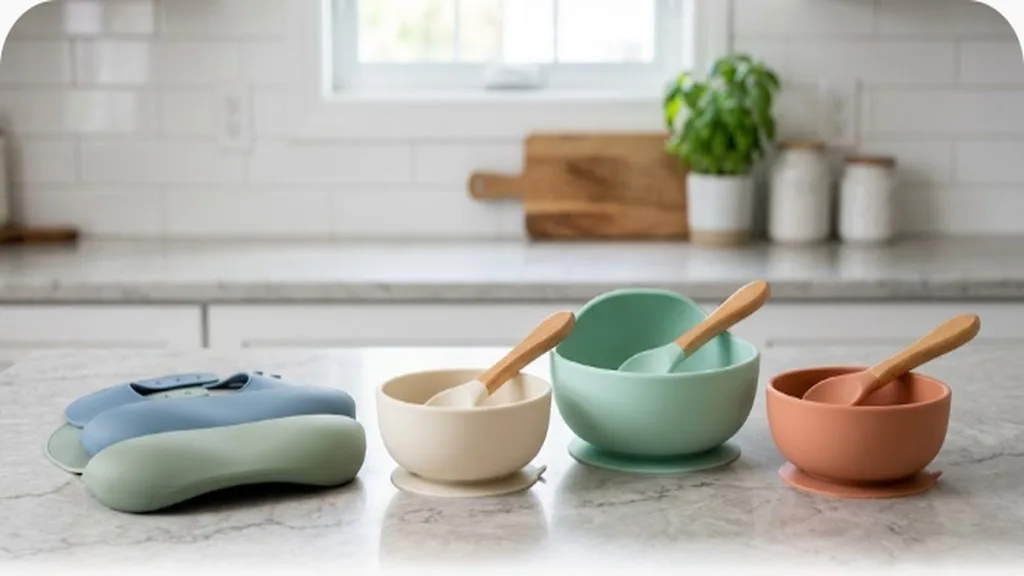
A handful of items reliably get used meal after meal rather than sitting unused in a drawer. Silicone bibs with a built-in food-catching pocket at the bottom are a genuine upgrade over cloth bibs once solids start, since they catch a surprising amount of food that would otherwise end up on the floor, and they wipe clean in seconds.
Suction bowls and plates that stick firmly to a tray dramatically cut down on the “fling the plate across the room” phase that most babies go through with enthusiasm. Soft-tip infant spoons are gentler on developing gums than hard plastic or metal spoons and are genuinely worth having in multiples, since they vanish constantly. A couple of open cups or straw cups for practicing independent drinking, introduced gradually alongside bottles or nursing, are also worth having on hand well before you expect to need them regularly.


Gear You Can Probably Skip
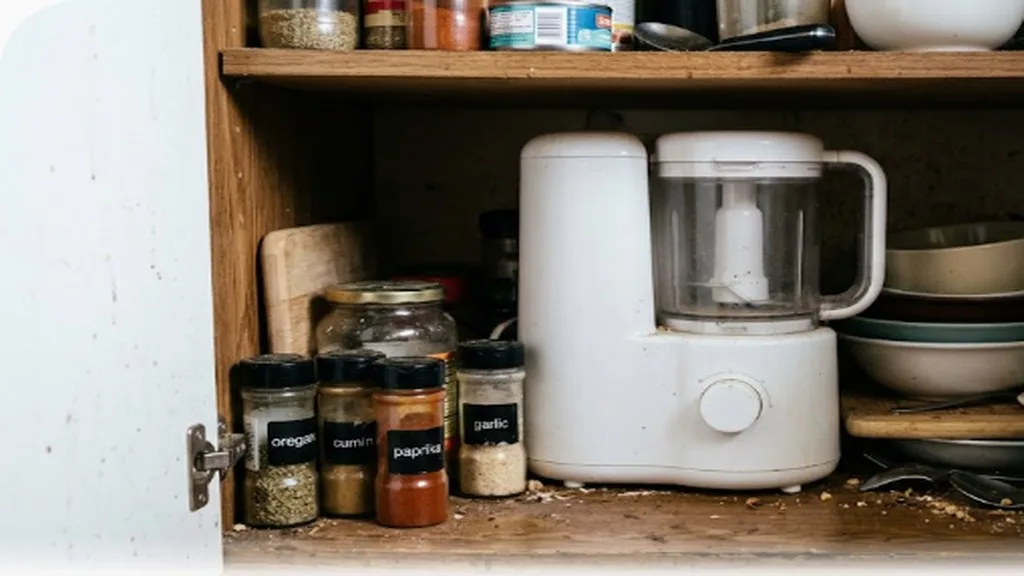
Dedicated baby food makers that steam and blend in one device sound efficient, but a regular steamer or pot plus a basic blender or even a fork for mashing soft foods accomplishes the same result for most families, without a single-purpose appliance taking up permanent counter or cabinet space.
Elaborate sets of matching dishware, specialty “baby food freezer trays” beyond a basic silicone tray, and most single-use branded feeding gadgets tend to go unused after the novelty wears off. A full-size wipeable splat mat under the high chair is useful in theory but plenty of families find a towel or an old shower curtain works just as well for a fraction of the cost. The general pattern worth watching for: if a product solves a problem you don’t actually have yet, it’s usually safe to wait and see whether the problem shows up before buying a solution for it.
Setting Up a Low-Stress Feeding Station
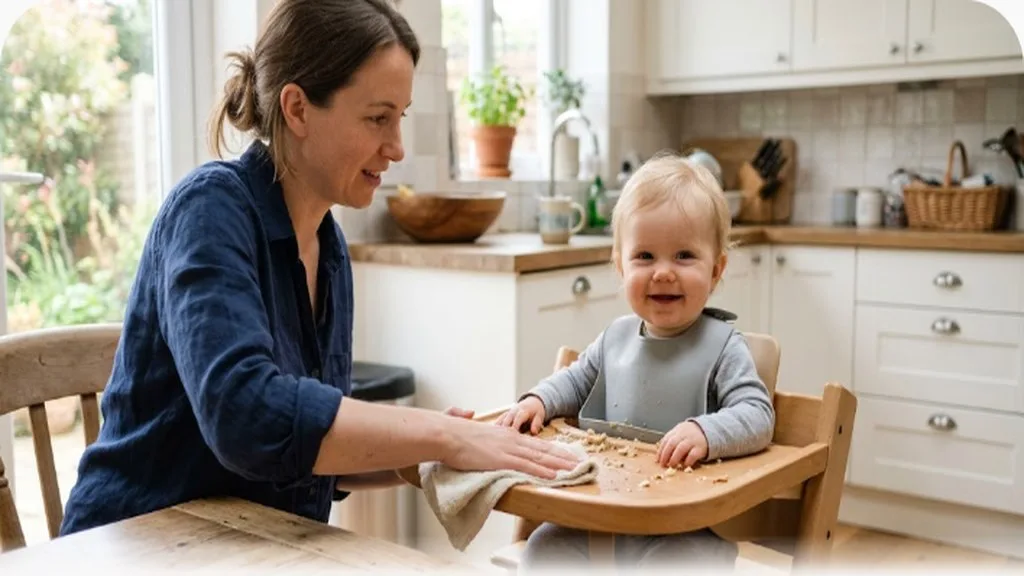
Keeping everything related to mealtime within arm’s reach of the high chair — bibs, spoons, a stack of bowls, a small bin for dirty dishes — cuts down on mid-meal scrambling when a bib needs an emergency swap or a spoon hits the floor for the third time. A designated low kitchen drawer or basket that holds only feeding gear, separate from the rest of the kitchen, makes it easy for any caregiver to find what they need without a search.
A quick post-meal routine — wipe the tray, rinse the bib, toss dishes straight into the dishwasher rather than the sink — keeps the whole system low-maintenance rather than letting dishes and mess accumulate into a bigger task later. The goal of all of this gear, ultimately, is to make mealtime easier to get through and easier to clean up, not to look impressive in a cabinet; a simpler setup that actually gets used consistently beats an elaborate one that becomes one more thing to manage.

Hi everyone, i’m Eddy from Africa-Mozambique. I’m Passionate about thing and that’s why i started this blog- to share what i discover. Hope you like and support this project.