
If you’ve made it through the 4-month sleep regression and assumed smooth sailing from there on out, the 8-month, 12-month, and 18-month regressions arrive as an unwelcome reminder that sleep disruptions don’t stop just because the first big one is behind you. The good news is that these later regressions tend to be shorter and more clearly tied to specific developmental events, which makes them easier to recognize and ride out. Here’s why they keep showing up, and what’s actually driving each one.
Why Sleep Regressions Keep Coming Back

Unlike the 4-month regression, which reflects a permanent, one-time shift in sleep architecture, later regressions are generally tied to specific developmental leaps — a new physical skill, a cognitive shift, or a change in daytime sleep needs — that temporarily disrupt sleep until a baby’s brain and body adjust to the new skill or need. Because development keeps happening in bursts throughout the first couple of years, these temporary disruptions keep recurring at fairly predictable ages, even though each one has a different specific cause.
A useful general pattern: these regressions tend to last anywhere from two to six weeks, are usually self-resolving without any change in approach, and respond well to staying consistent with existing sleep habits rather than introducing new ones, since new sleep associations picked up during a rough patch (extra rocking, a new nap in the car, co-sleeping that wasn’t the norm before) often outlast the regression itself and become their own separate habit to work through later.
The 8-Month Regression: Separation Anxiety Meets Mobility
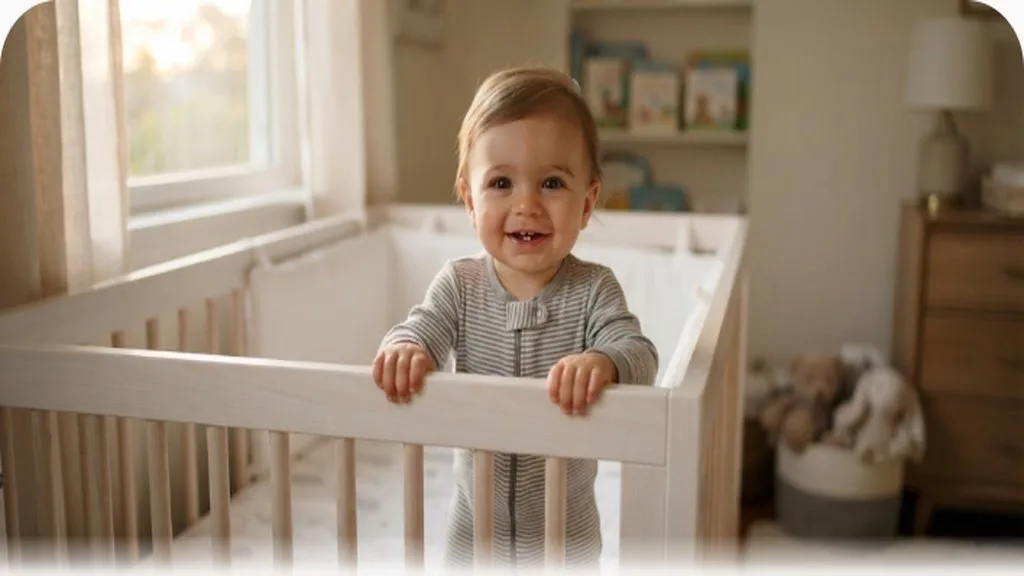
Around eight months, two developmental threads tend to collide at once: separation anxiety intensifies as babies develop a clearer understanding that their parent is a separate person who can leave the room (and, from the baby’s perspective, might not come back), and new mobility skills like crawling or pulling to stand give babies an irresistible urge to practice their new trick at the worst possible time — namely, the middle of the night.
The result is often more frequent night waking with genuine distress (not just fussing) at being alone, plus babies who pull themselves to standing in the crib and then don’t know how to get back down, which turns a brief wake-up into a longer ordeal. Practicing the new physical skill during awake daytime hours, and briefly practicing lowering back down from standing before bed, can take some of the pressure off nighttime for both of these threads at once.
The 12-Month Regression: Walking and a Nap Transition Collide
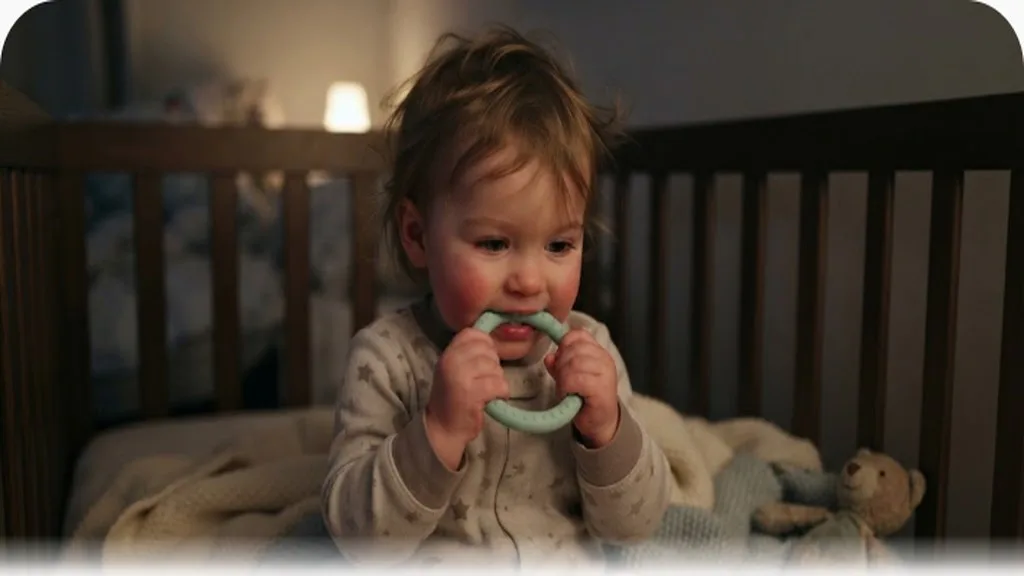
The twelve-month mark often brings a double disruption: new or newly confident walking, which is cognitively and physically exciting enough to make settling down for sleep harder, layered on top of the beginning of the two-nap-to-one-nap transition discussed in our guide to nap schedules by age. Either one alone can disrupt sleep; together, they frequently do.



It’s often hard to tell in the moment whether early waking or nap resistance at this age is really a true regression or the start of the nap transition itself, and in practice it’s frequently both at once. Giving extra outdoor and floor time to practice new walking skills during the day, and watching for the specific signs of a nap transition described in our nap guide, usually helps sort out which adjustment is actually needed.
The 18-Month Regression: Molars, Independence, and Big Feelings

By eighteen months, the drivers shift again. Molars are often actively erupting around this age, and molar teething tends to be more uncomfortable than the earlier front teeth, sometimes causing genuine nighttime pain. At the same time, toddlers at this age are developing a much stronger sense of independence and will — the same strong-willed energy behind toddler tantrums shows up at bedtime too, sometimes as outright protest or delay tactics rather than a true sleep disruption.
Separation anxiety can also resurface in a new form at this age, now combined with a toddler’s expanding imagination, which occasionally brings early signs of nighttime fears. A consistent, calm bedtime routine matters more than ever at this stage — not because it will eliminate every protest, but because predictability gives a toddler who’s testing independence in every other area of life one stable, unchanging part of the day to count on. As with the earlier regressions, this one is self-limiting, typically easing within a few weeks as the molars finish coming in and the current wave of independence-testing settles into the next, hopefully calmer, phase.

Hi everyone, i’m Eddy from Africa-Mozambique. I’m Passionate about thing and that’s why i started this blog- to share what i discover. Hope you like and support this project.